
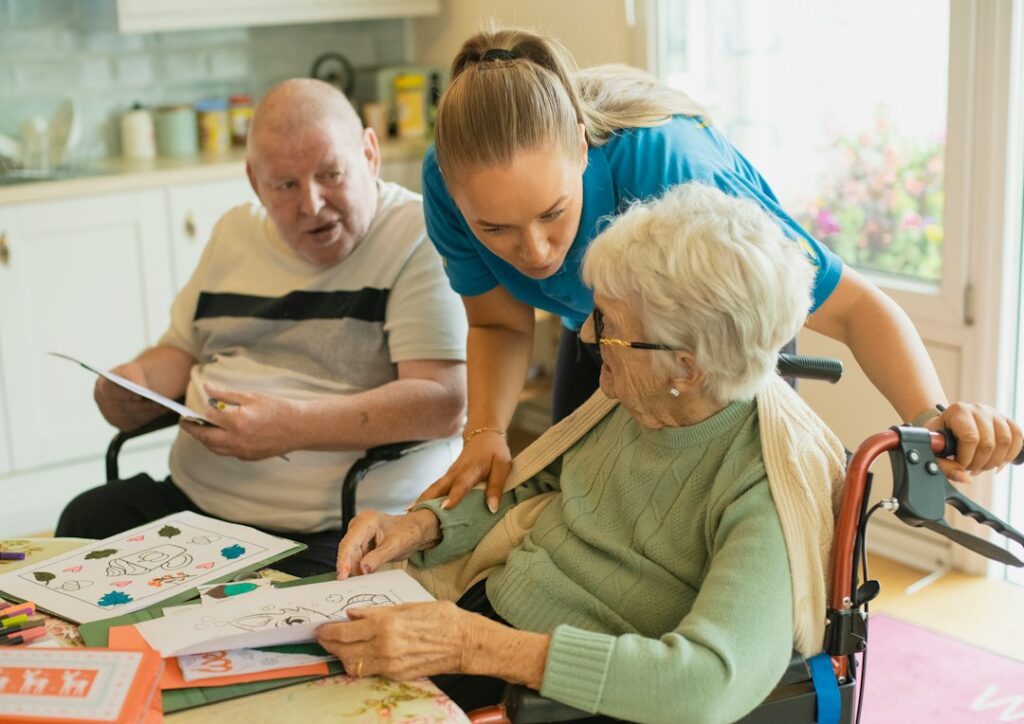
What does independence mean in assisted living?
Independence in assisted living does not mean doing everything without help. It means having meaningful control over daily life while receiving support with tasks that have become difficult, tiring, or unsafe.
For some residents, independence means choosing when to wake up, what to wear, or which activities to attend. For others, it means continuing to manage personal finances, maintaining favorite routines, visiting with family, or deciding how much assistance is needed with bathing, medications, meals, or transportation.
Assisted living is designed to provide support without automatically taking over every part of a person’s life. The goal is often to fill specific gaps while preserving the abilities and choices that remain.
How does assisted living provide support without removing choice?
A resident’s support plan typically identifies the areas where assistance is needed and the areas where the person can still manage independently. This approach helps prevent two common problems: expecting too much from someone who is struggling or doing too much for someone who can still participate safely.
Support may include:
- Help with bathing, dressing, grooming, or using the bathroom
- Medication reminders or medication administration, depending on the setting and regulations
- Assistance with meals, laundry, housekeeping, or changing linens
- Transportation for appointments, errands, or community activities
- Safety checks and help responding to an urgent need
- Organized opportunities for exercise, socializing, hobbies, and recreation
A resident may be able to dress independently but need help selecting weather-appropriate clothing or fastening buttons. Another person may prepare a simple snack but need assistance with a full meal. Good support is specific rather than automatic.
Can residents still make their own daily decisions?
Yes. Residents generally continue to make many personal decisions, although the exact arrangements depend on their health, legal rights, and the policies of the assisted living residence.
Daily choices may include:
- Preferred wake-up and bedtime routines
- Clothing and personal appearance
- Meal selections and dining times
- Participation in activities or religious practices
- How to spend private time
- Whether to accept or decline certain nonessential activities
- Which personal belongings to keep in the living space
Maintaining these choices can support confidence and emotional well-being. A person who has lost some physical ability may still have strong preferences about music, food, privacy, family visits, and household routines.
Family members sometimes assume that moving to assisted living means giving up control. In practice, the transition can create a safer structure while allowing the resident to remain involved in everyday decisions.
How can assisted living improve physical independence?
Assistance with routine tasks can conserve energy for activities the resident values. Someone who no longer has the stamina to clean an entire home may still be able to walk to a dining room, join a craft activity, or visit with friends if housekeeping is handled by staff.
Many residences also provide features that reduce unnecessary physical strain, such as:
- Handrails and accessible bathrooms
- Grab bars and shower seating
- Emergency call systems
- Well-lit hallways
- Elevators or limited-stair layouts
- Seating areas along common walking routes
- Accessible dining and activity spaces
These features can make it easier for residents to move around safely. They may also reduce the risk of falls caused by clutter, poor lighting, icy walkways, or household maintenance tasks.
For residents in Canonsburg, PA, seasonal weather can affect mobility and confidence. Cold temperatures, snow, ice, and wet entryways may make outdoor travel more challenging during parts of the year. A setting with maintained walkways, indoor activity options, and transportation support may help residents remain active without facing the same hazards found around a private home.
Does assisted living help with medication independence?
Medication support can make it easier for residents to follow a prescribed schedule, but it does not always mean the resident loses all involvement.
Some residents may be able to take medications independently with reminders. Others may need staff to organize, administer, or monitor medications because of memory changes, vision problems, complicated schedules, or side effects.
Residents and families can ask how the setting handles:
- Medication storage and administration
- Missed or refused doses
- Changes to prescriptions
- Communication with family members
- Monitoring for side effects or changes in condition
- Documentation of medication assistance

Even when staff manage the process, residents can remain informed by asking what each medication is for and when it is taken. Any change in medication ability should be evaluated through the appropriate medical and care-planning process.
How do meals and transportation support independence?
Reliable meals can protect independence by reducing the burden of grocery shopping, food preparation, and kitchen cleanup. Residents may still choose from available menu options, identify dietary preferences, and participate in meals according to their routine.
Adequate nutrition also affects strength, balance, energy, and concentration. A resident who eats regularly may have more ability to participate in walking, exercise, hobbies, and social activities.
Transportation support can preserve connections outside the residence. Depending on available services, residents may be able to attend medical appointments, visit family, shop for personal items, or take part in community activities. This can be especially helpful for people who no longer drive or who find winter road conditions stressful.
Independence does not require personally operating a vehicle. It can also mean having a dependable way to reach important destinations.
What role do activities play in staying independent?
Activities can support independence by maintaining physical abilities, decision-making, social confidence, and emotional health. Useful programs are not limited to entertainment. They may include walking groups, music, gardening, games, discussion groups, strength exercises, arts, educational sessions, and opportunities to help with shared tasks.
Residents benefit most when activities match their interests and abilities. A person who dislikes large group events may prefer reading, one-on-one conversation, puzzles, or quiet outdoor time. Another resident may enjoy organizing a card game or helping prepare decorations.
Participation should be encouraged, not forced. Having the freedom to choose what to do is itself part of independence.
How should families judge whether support is preserving independence?
Families can look beyond whether tasks are completed. The more useful questions concern participation and choice:
- Is the resident included in decisions about care?
- Are staff helping only where assistance is needed?
- Can the resident maintain familiar routines?
- Are personal preferences respected?
- Does the resident have opportunities for movement and social connection?
- Are changes in ability communicated clearly?
- Is the support plan updated when needs change?
Independence may look different over time. A resident may begin by managing most personal care and later need more help. That change does not mean independence has disappeared. It may mean independence now involves directing care, choosing routines, staying socially connected, and using available support safely.
When might assisted living no longer be the right level of support?
Assisted living may not meet every person’s needs. A significant increase in medical complexity, repeated falls, advanced memory impairment, extensive behavioral symptoms, or a need for continuous skilled nursing may require a different level of care.
Families should also consider whether the residence can legally and safely provide the needed services. Care needs can change gradually, so regular reassessment is useful. The question is not simply whether a person needs help, but whether the current setting can provide that help safely while respecting the person’s rights and preferences.
Assisted living supports independence best when care is individualized, safety concerns are addressed early, and residents remain active participants in decisions about their own lives.
